- record number
- mo-240912
- image
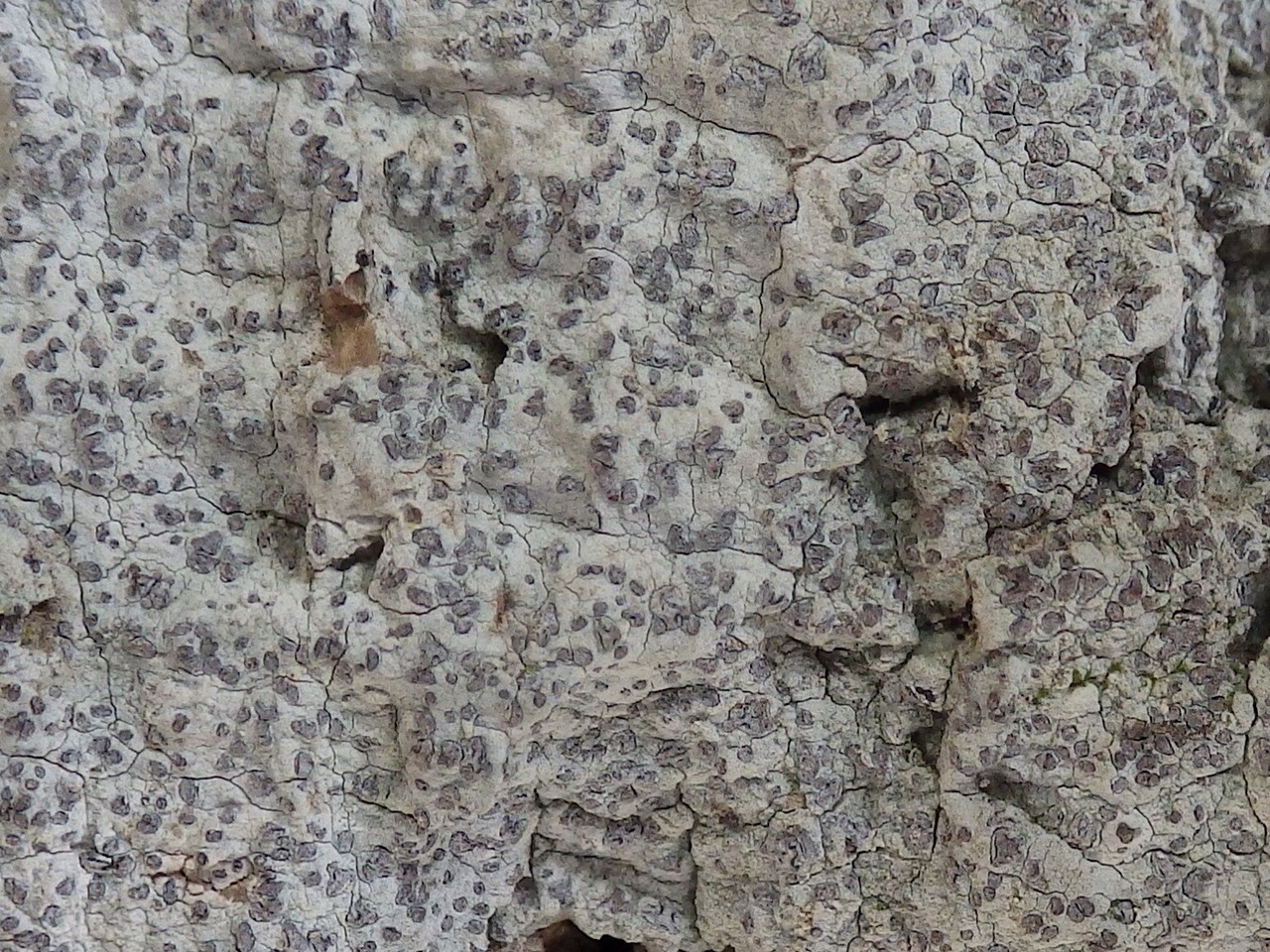
- current determination
- Lecanographa lynceaFungi · Ascomycota · Arthoniomycetes · Arthoniales · Roccellaceae
- determination history
date taxon kind source 2016-05-29 Lecanographa lyncea at_ingest Mushroom Observer - field notes
- Growing on the thick bark of an old Quercus suber. This is my first observation of this species, though I must have observed it in the past. In fact, if one compare the photos of this observation with those of observation 178147 one can see that they are identical. Moreover, the photos were taken at the same group of trees! The reason discovered in the British Flora as follows, quoting from P.A. Wolseley: "Often grows with, and apt to be confused with Arhonia pruinata which, however, has C+red apotheciod pruina." In spite of that macro similarity the micro features are really different, starting with the apothecial section and ending in the asci and spores. Please, have a look and compare. Let me say that the dimensions given for the spores are not very accurate, for being difficult to measured halonate spores with a thin halo. Nevertheless these values fall within those given in The British Flora for Lecanographa lyncea. The septation of the spore is variable from 5 to 8 septa (while the British Flora gives 7-8 septa). It should also be noted that the IKI reaction seems weird, maybe because I used a more concentrated lugol than usual; according to the British Flora there should have been a K/I+ dark blue reaction in the ring zone at the apex, which is a feature of the genus Lecanographa and not only of this particular species. Beyond L. lyncea the British Flora only mentions one more species of Lecanographa growing on bark - L. amylacea- with 3-4 septate and shorter spores.
- locality
- Matinha de Queluz, Sintra, Portugal 38.7440, -9.2610
- date observed
- 2016-05-29
- observer
- zaca
- licence
- CC BY-SA 3.0 · zaca · source record
- observation frequency
- Mushroom Observer 1GBIF 32
Counts record how often the species has been seen, not how rare it is. Sampling is heavily concentrated in Europe and North America.
- threat status
- not evaluated
occurrences
Roccellaceae
- Ancistrosporella australiensis
- Ancistrosporella curvata
- Ancistrosporella leucophila
- Ancistrosporella onchospora
- Ancistrosporella psoromica
- Angiactis banksiae
- Angiactis bermudensis
- Angiactis littoralis
- Angiactis littoralis
- Arthoniactis
- Austroroccella gayana
- Bactrospora
- Bactrospora acicularis
- Bactrospora acicularis
- Bactrospora arthonioides
- Bactrospora brevispora
- Bactrospora brodoi
- Bactrospora carneopallida